


Fuels & Lubes
Design Strategy
Opportunity Identification
3 Months


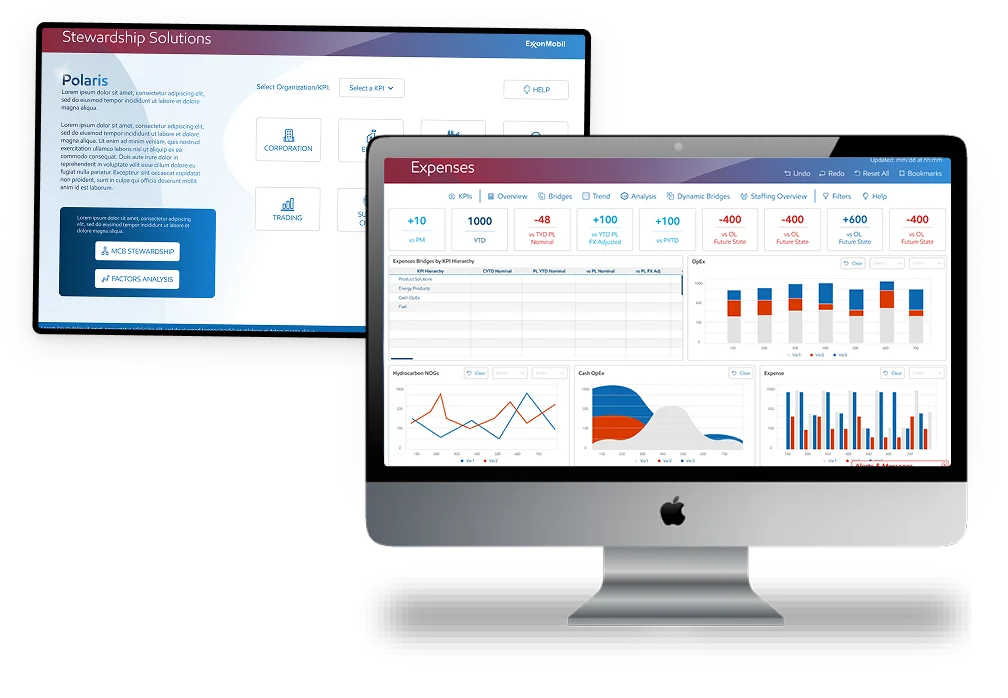
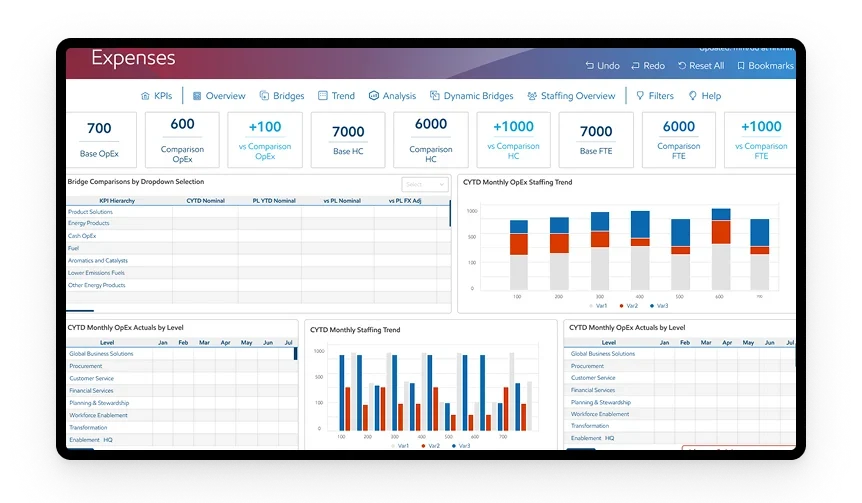
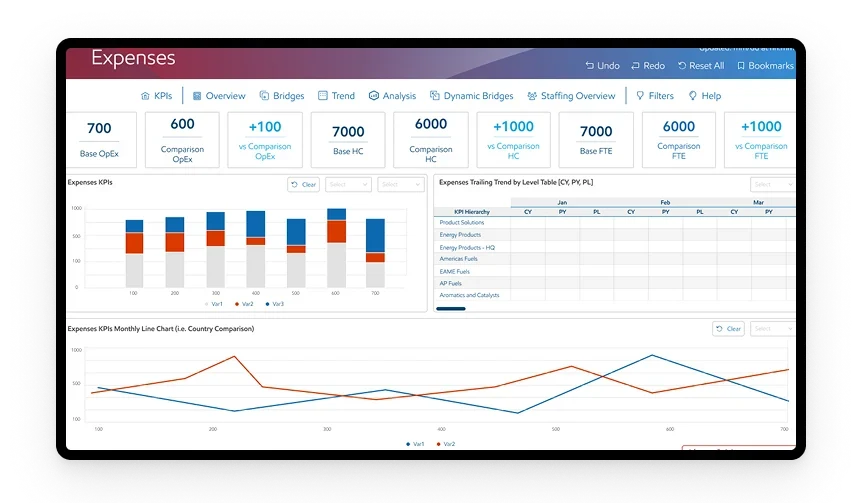
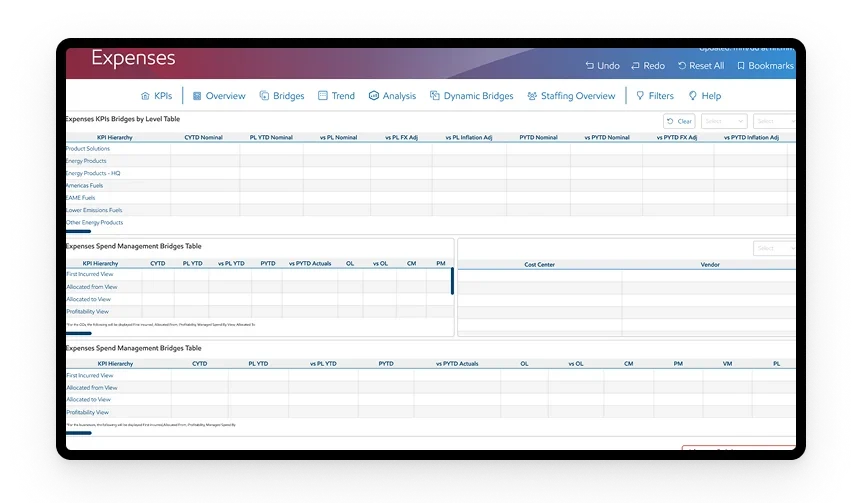
The goal is to design an intuitive, user-friendly, and highly functional dashboard that provides real-time insights into key operational metrics for oil and gas companies. The dashboard will help users monitor, analyze, and make data-driven decisions to optimize operations, improve safety, and reduce costs.
ExxonMobil leverages opportunity identification to enhance business efficiency, innovation, and sustainability, driving competitive advantage in the energy sector. By analyzing market trends, technological advancements, and customer needs, the company uncovers new growth areas, such as low-carbon solutions, digital transformation, and operational optimization.
For users, this translates into reliable energy supply, cost-effective products, and cleaner technologies—meeting evolving demands while reducing environmental impact. Proactive opportunity identification ensures ExxonMobil stays ahead in energy transition, benefiting industries, consumers, and stakeholders with innovative and sustainable solutions.
ExxonMobil employs advanced techniques for Raw Materials Characterization to ensure quality and performance in its products. The company utilizes cutting-edge analytical methods, such as spectroscopy, chromatography, and rheology, to assess the chemical and physical properties of crude oil, natural gas, and petrochemical feedstocks.
By rigorously testing raw materials, ExxonMobil optimizes refining processes, enhances product consistency, and maintains compliance with industry standards. Their expertise in material science enables efficient resource utilization and supports innovation in energy solutions.
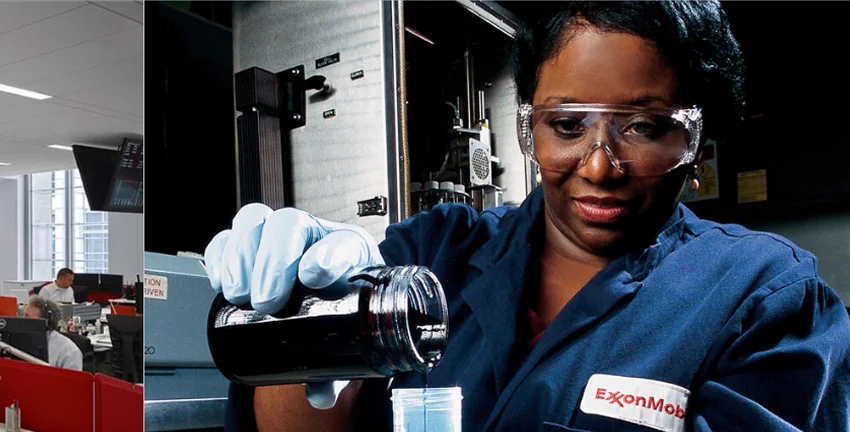
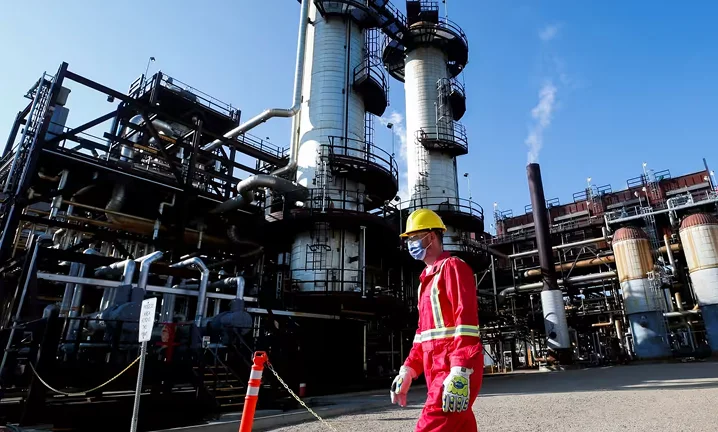


Different functions across the value chain feed, receive, and rely on detailed data around the molecular make-up of raw materials (ex: crudes).
This complex process, enabled through proprietary technology, is considered a critical competitive advantage for ExxonMobil. However, the Business wanted to know if value was left on the table.
We were brought in to conduct a holistic deep dive to uncover opportunities for value creation.


We interviewed dozens of stakeholders across Upstream and Downstream to understand current and potential usage of raw material data.
Our findings revealed hidden crude data, shallow data interpretation and decision-making, and limited use of commercial and market intelligence.
We recommended a set of opportunities ranging from $10M to $150M/year in cost-savings and new value generation.
They included optimizing refinery operations by analyzing the data mid-transport ($75-$150M/year), broadening the range of viable supply crudes ($50M/year/refinery site), optimizing purchase economics and refinery operations ($20M/year), and driving equity crude margins ($10-$50M/year).

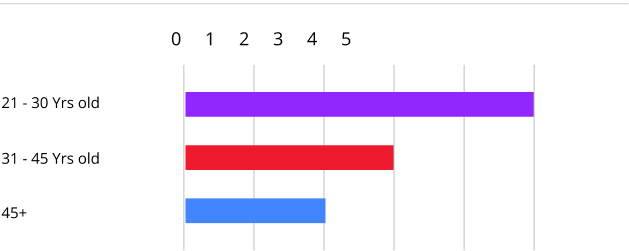
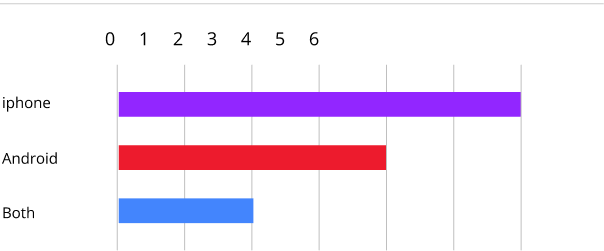
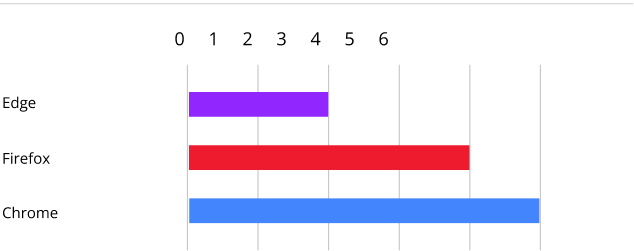



John Smith
Control Room Operator
John John role is to monitor asset health, respond instantly to critical alarms, and execute precise operational adjustments to ensure peak efficiency and prevent incidents.
34 years old, lives in New York. Married with a 2-year-old child, has a middle-income level.

A wireframe is a rough schematic created in the early stages of digital product design to help visualize and communicate the structure of a product or website.
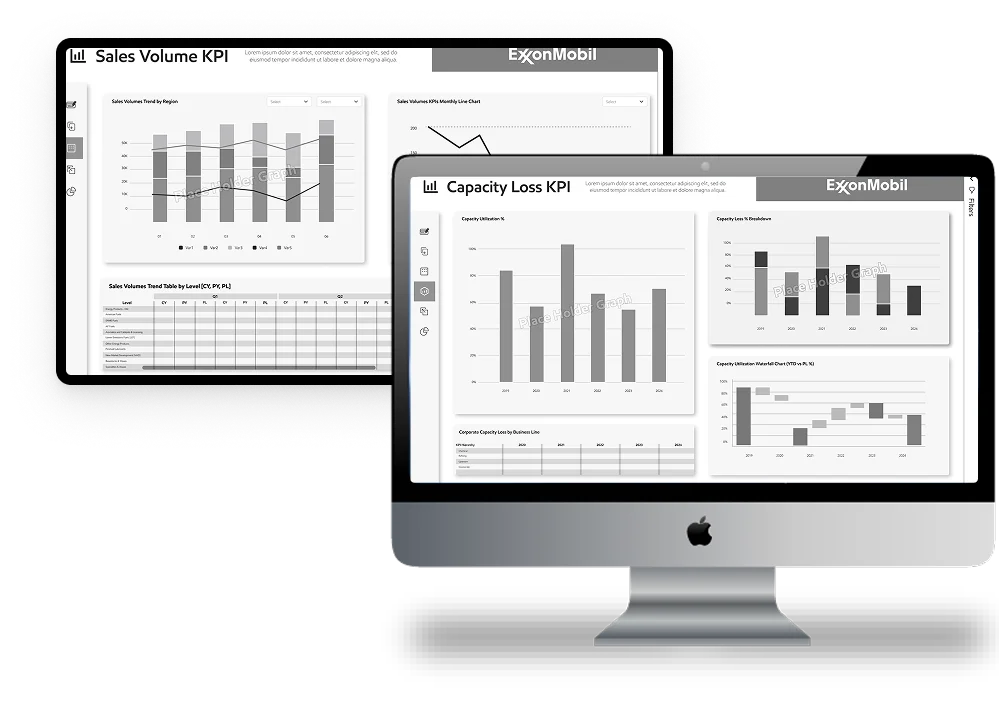
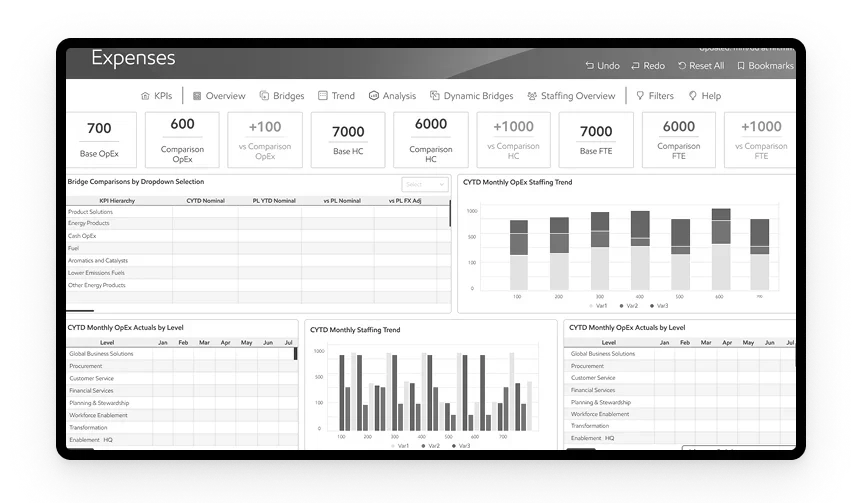
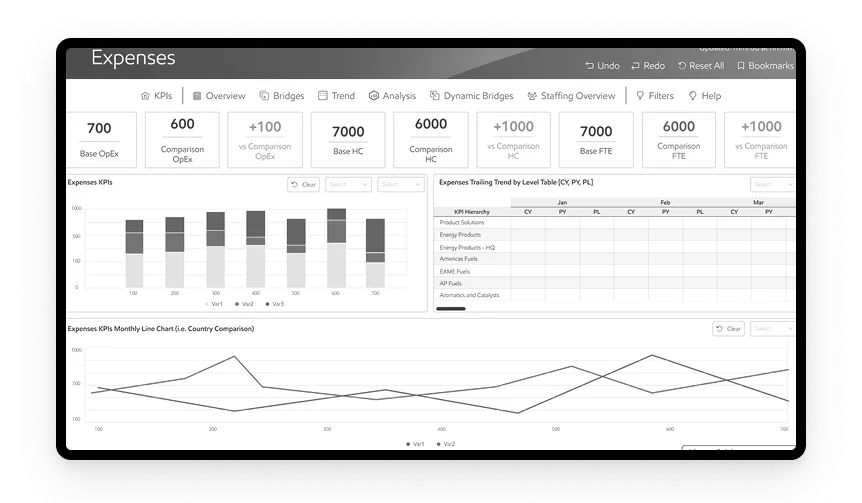
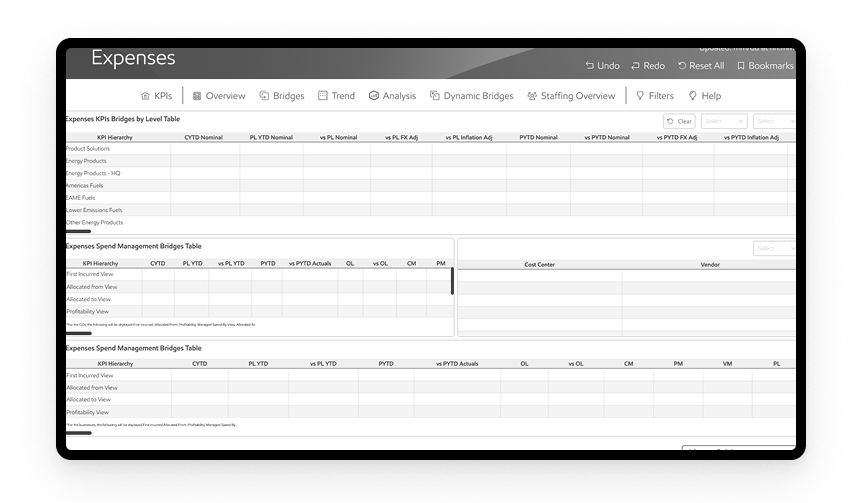

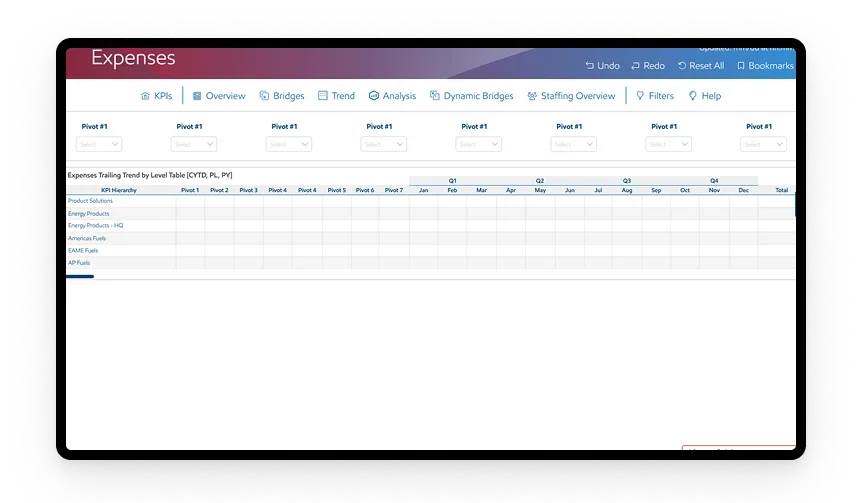
User interface (UI) design is the process use to build interfaces in software or computerized devices, focusing on looks or style. Our aim to create interfaces which users find easy to use and pleasurable.

To Connect with Us.
Hey, thanks for checking out my work.
I’ve been fascinated with the way people interact with technology since forever. I’m particularly keen on digital products designed to make life easier for human beings.
What are you working on?
If you want to know more about my design process, or if you want to talk about a cool idea, don’t hesitate to hit me up.