
Luma Icon

LUMA APP Case Study

Messaging App

Messaging App
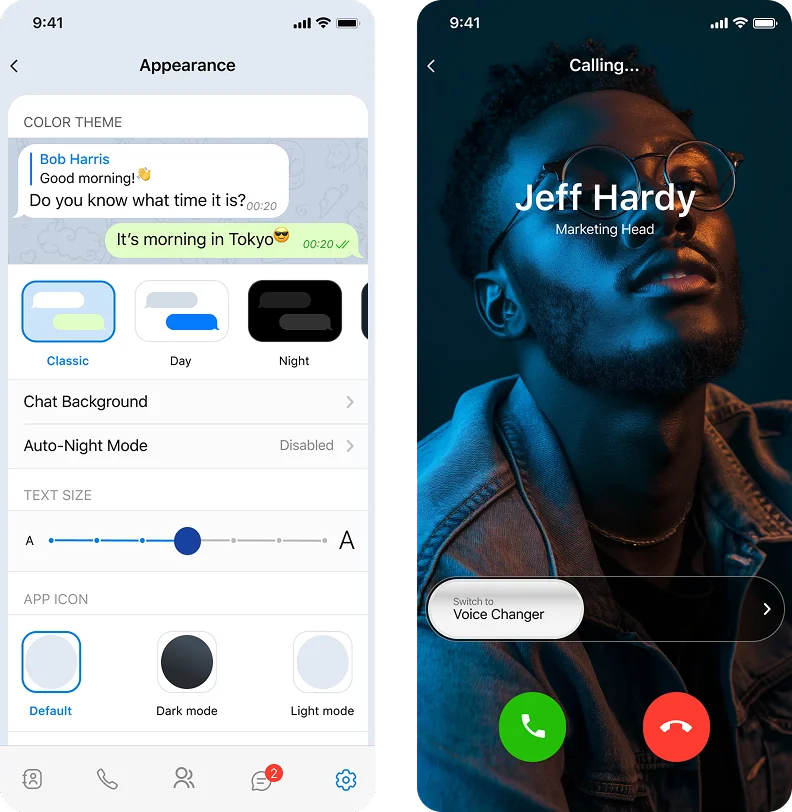
Luma App Screen

Overview

LUMA is a concept mobile messaging app designed to address the growing fragmentation and impersonality of modern communication. The goal was to create a more context-aware, expressive, and privacy-first messaging experience that adapts to how people actually communicate across different situations.

Problem

Modern messaging is broken in subtle but important ways:

  • Users switch between multiple apps (WhatsApp, Telegram, Discord, etc.) depending on context
  • Communication often feels transactional and impersonal, lacking emotional nuance
  • Privacy controls are either hidden, rigid, or inconsistent
  • Voice messaging exists but lacks control, flexibility, and trust
  • AI tools are emerging, but they are disconnected from everyday conversations
Luma problem

Key Insight

Messaging is not one experience—it’s a set of contexts:

  • Private vs public
  • Emotional vs functional
  • Synchronous vs asynchronous

Yet most apps treat all communication the same.

Solution

LUMA introduces a messaging experience that is:

  • Context-aware → adapts to different communication needs
  • Privacy-first → gives users granular control over conversations
  • Expressive → supports richer, more human interaction
  • Intelligent → integrates AI directly into conversations

Product Thesis

Messaging should adapt to people—not force people to adapt to messaging tools.

Core Experience

Instead of treating messaging as a single flow, LUMA is designed around three core modes:

Personal Conversations

  • Secure, private messaging
  • Biometric locks for sensitive chats
  • Disappearing voice messages

Expressive Communication

  • Voice-first interactions
  • Temporary, low-pressure messaging
  • Rich emotional expression beyond text

Community & Broadcast

  • Channels for broader communication
  • Lightweight, non-intrusive engagement
  • Separation from personal conversations

Key Features & Design Thinking

Disappearing Voice Messages

Problem:
Voice messages feel permanent and risky to send

Solution:
Temporary voice notes that disappear after playback

Why this matters:
Encourages more natural, spontaneous communication without long-term pressure

Chat-Level Privacy Controls

Problem:
Privacy is often buried in settings and not contextual

Solution:
Users can lock individual chats using biometrics

Design Decision

Privacy should be visible, immediate, and contextual, not global

AI-Powered Chat Assistance

Problem:
AI tools are separate from communication workflows

Solution:
Integrate AI directly into chat for suggestions, summaries, and assistance

Trade-off Considered:

  • Separate AI assistant vs embedded AI
  • Chose embedded for lower friction and higher adoption

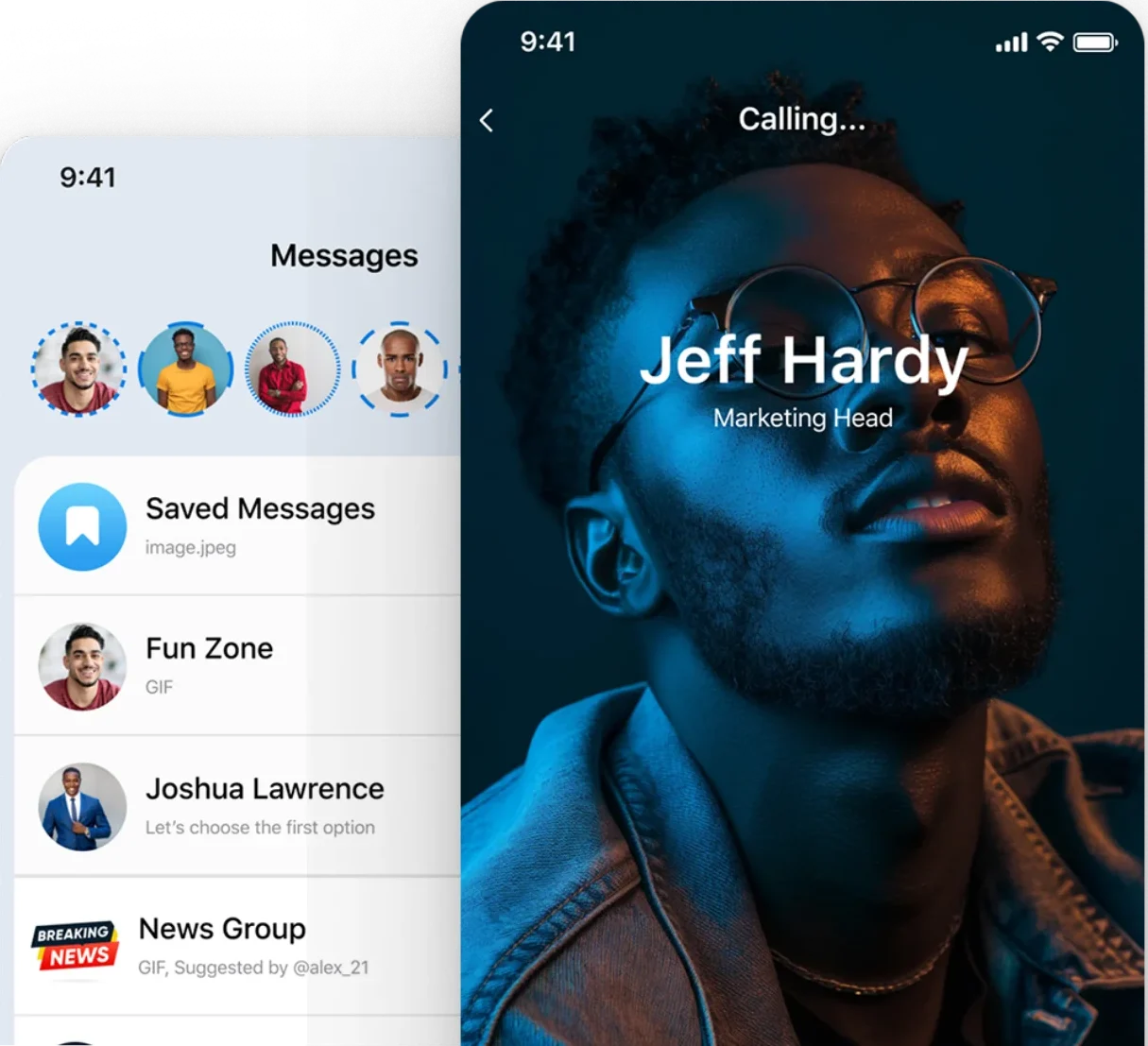
Unified Messaging Interface

Problem:
Switching between features breaks flow

Solution:
Combine messaging, actions, and context into a single interface

Impact

Key User Flows

Onboarding & Privacy Setup

  • User signs up
  • Chooses privacy preferences early
  • Introduced to chat-level control

Why:
Sets trust from the beginning

Disappearing Voice Message

  • Tap voice → record → select “disappear after play”
  • Receiver listens once → message auto-deletes

Goal:
Reduce hesitation in voice communication

What I Missed in V1

Lack of Flexibility for Power Users

I initially designed a structured, linear experience, assuming users would follow a standard flow.

What happened:

Users had different behaviors:

  • Some wanted quick actions
  • Others needed deeper control and comparison

Iteration:

  • Introduced modular layouts
  • Added customizable views
  • Enabled faster access to key actions
Luma power

Underdeveloped Edge Cases

Initial designs didn’t fully account for:

  • Empty states
  • Error states
  • Offline behavior

Fix:
Expanded system thinking to include all states
Design System Considerations

  • Built scalable components for chat, voice, and AI interactions
  • Ensured consistency across mobile patterns
  • Considered accessibility (contrast, readability, touch targets)
  • Designed for extensibility as features grow

Insufficient Context Switching Cues

The difference between personal and community spaces wasn’t clear enough.

Fix:

  • Stronger visual hierarchy
  • Clear labeling and transitions

Success Metrics

To evaluate success, I would measure:

  • Engagement: Increase in daily active usage
  • Adoption: % of users using voice + AI features
  • Retention: Repeat usage over time
  • Trust: Usage of privacy features
  • Efficiency: Reduced time to complete key actions
Success Metrics

Outcome

LUMA evolved from a feature-driven concept into a system of experiences that balances:

  • Simplicity and flexibility
  • Privacy and usability
  • Expression and structure

Key Takeaway

Designing for messaging is not about creating a single flow—it’s about designing a dynamic system that adapts to different human contexts.

This project reinforced the importance of:
  • Balancing structure with flexibility
  • Designing beyond the “happy path”
  • Connecting features into a cohesive experience

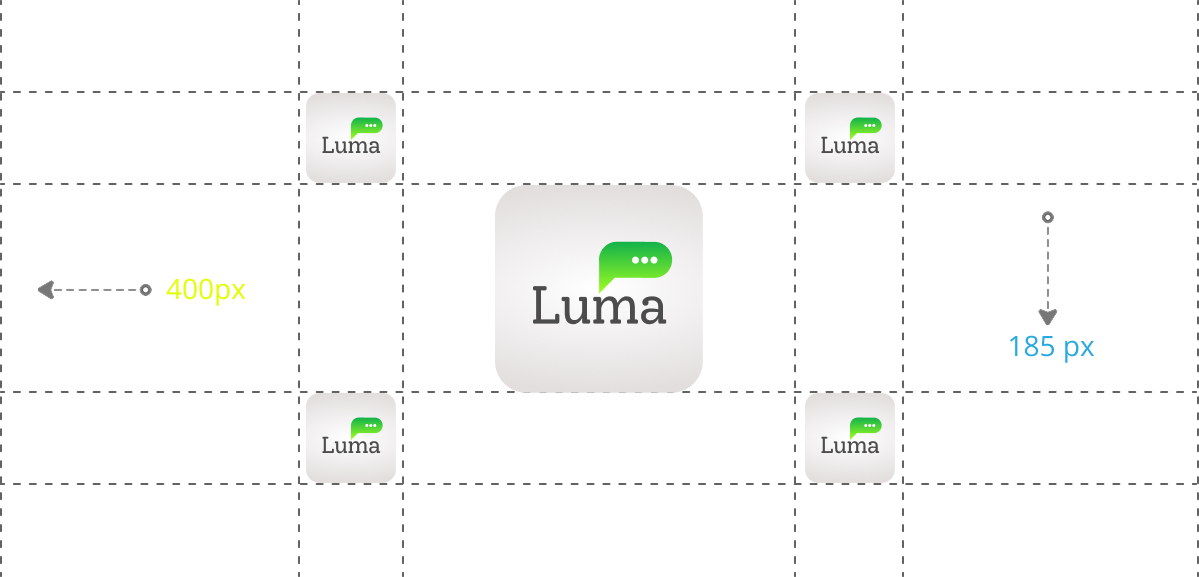
LOGO

Logo Green
Logo Light Yellow
Logo theme
Logo branding

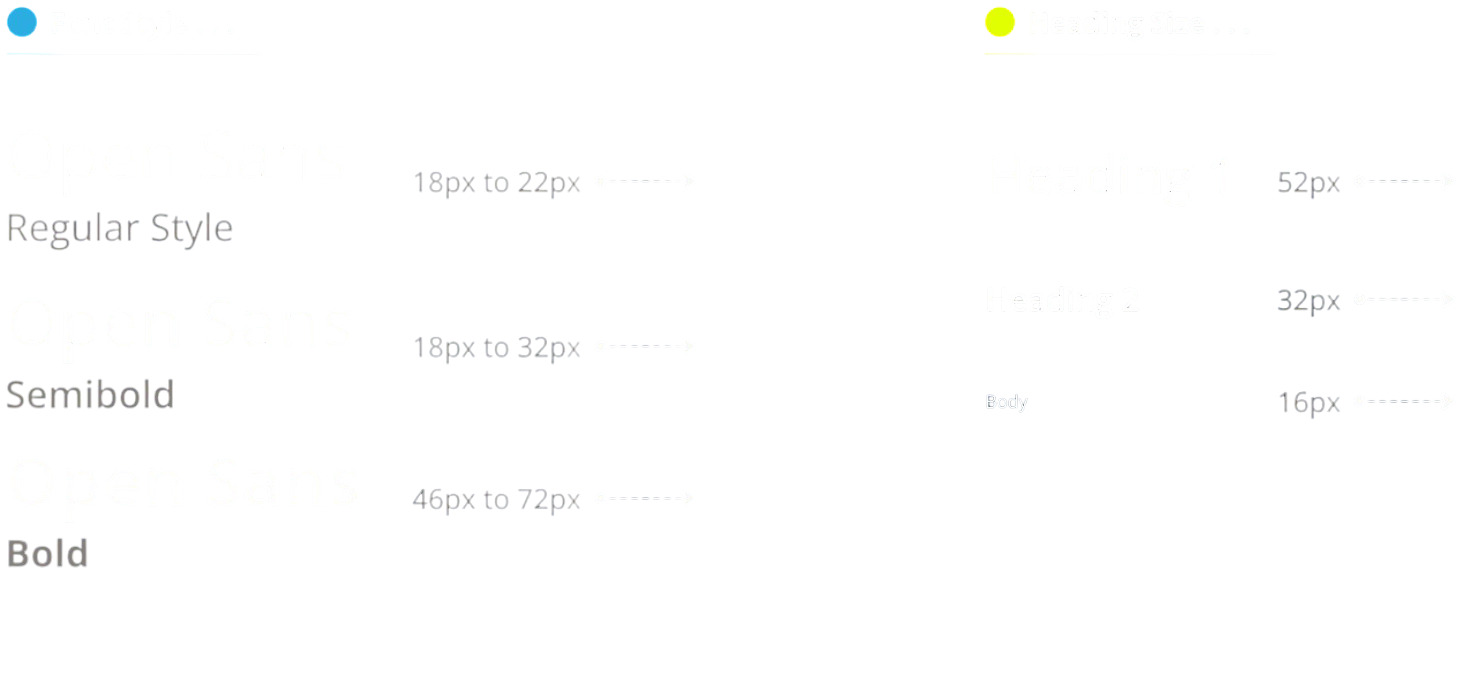
TYPOGRAPHY

Typography luma

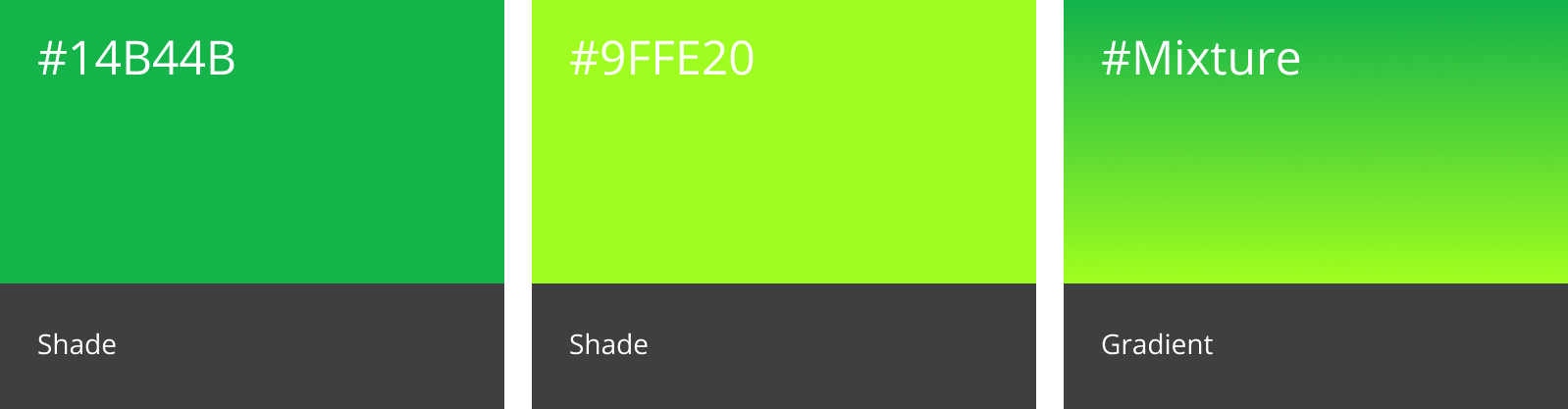
COLORS

Color schemes are logical combinations of colors on the color wheel. The purpose of a color scheme is to create an aesthetic feeling of style and appeal.
Color Schemes
Color Schemes Blue

ICONOGRAPHY

Iconography, as a branch of art history, studies the identification, description and interpretation of the content of images: the subjects depicted,


Iconography
Iconography
the particular compositions and details used to do so, and other elements that are distinct from artistic style.

MOCKUPS

La Mockups One
La Mockups Two

USER INTERFACE

UI
UI
UI